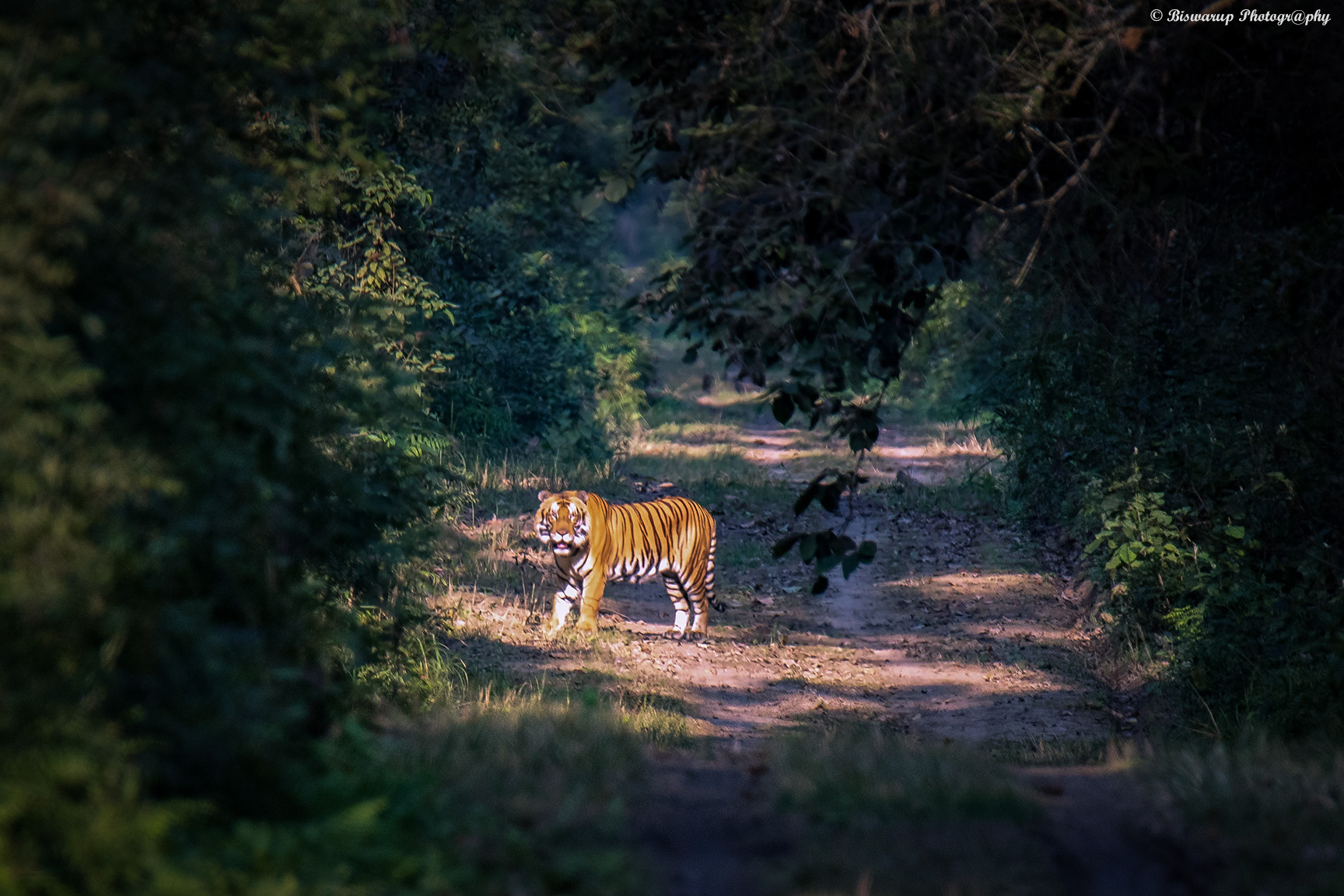
Dudhwa National Park is a massive protected wilderness situated in the Lakhimpur Kheri district along the Indo-Nepal border. Comprising dense Sal forests, tall grasslands, and extensive swamplands, it represents one of the finest surviving examples of the highly diverse Terai ecosystem.
Dudhwa National Park
The Premier Tiger Reserve of Uttar Pradesh
History
Conservation by Billy Arjan Singh
The park owes its existence largely to conservationist Billy Arjan Singh, who relentlessly campaigned to protect the habitat. His efforts successfully upgraded the area from a localized sanctuary to a National Park in 1977, preventing the mass deforestation of the Terai region.
Project Tiger
In 1987, Dudhwa was formally brought under the umbrella of Project Tiger. Together with the nearby Kishanpur Wildlife Sanctuary and Katarniaghat Wildlife Sanctuary, it actively forms the expansive Dudhwa Tiger Reserve, providing a vital contiguous corridor for large feline movement.
Rhino Reintroduction
Historically, the Great Indian One-Horned Rhinoceros was completely hunted out of the region. In 1984, an ambitious and highly successful project relocated several rhinos from Assam to Dudhwa, establishing a thriving, heavily guarded secondary population behind specialized electric fencing.
Significance
Dudhwa is the only national park in Uttar Pradesh containing a viable breeding population of wild Tigers, Leopards, and reintroduced Asiatic Rhinos. It also serves as the final global stronghold for the critically endangered Barasingha (Swamp Deer).
Festivals
Wildlife Week
Observed annually in early October to align with the park's official reopening after the brutal monsoon season. The forest department organizes specialized awareness camps and anti-poaching seminars involving the local Tharu tribal communities.
Tharu Cultural Festivals
While not directly inside the core zone, the indigenous Tharu tribal villages bordering the park celebrate unique localized variations of Diwali and Holi, frequently incorporating ecotourism initiatives organized by the forest department.
Special Highlight
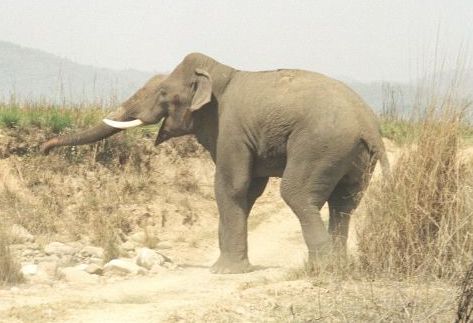
It is one of the few reserves in India that actively allows tourists to view Rhinoceroses from specialized elephant-back safaris.
Travel Guide to Dudhwa National Park
How to Reach
By Air: Lucknow Airport (LKO) is the most practical transit point, positioned 240 km south.
By Train: Lucknow serves as the major railhead, with connecting trains heading to local stations like Palia Kalan.
By Road: State Highways connect the park directly from Lucknow via Sitapur and Lakhimpur.
Best Time to Visit
The park is strictly open only from November 15 to June 15, remaining closed during monsoons.
Local Attractions
Kishanpur Wildlife Sanctuary: An adjacent reserve specifically noted for intense tiger sightings.
Katarniaghat Wildlife Sanctuary: A riverine sanctuary prioritizing gharial (crocodilian) and dolphin conservation.
Tharu Tribal Villages: Government-sponsored eco-tourism homestays bordering the buffer zones.
Travel Tips
Safaris must be strictly booked through the UP Forest Department's official online portal in advance.
Private diesel vehicles older than 10 years are completely barred from entering the forest gates.
Network connectivity within the park boundaries is practically zero; inform contacts beforehand.
Elephant safaris focusing specifically on checking the Rhino enclosures operate early in the morning.
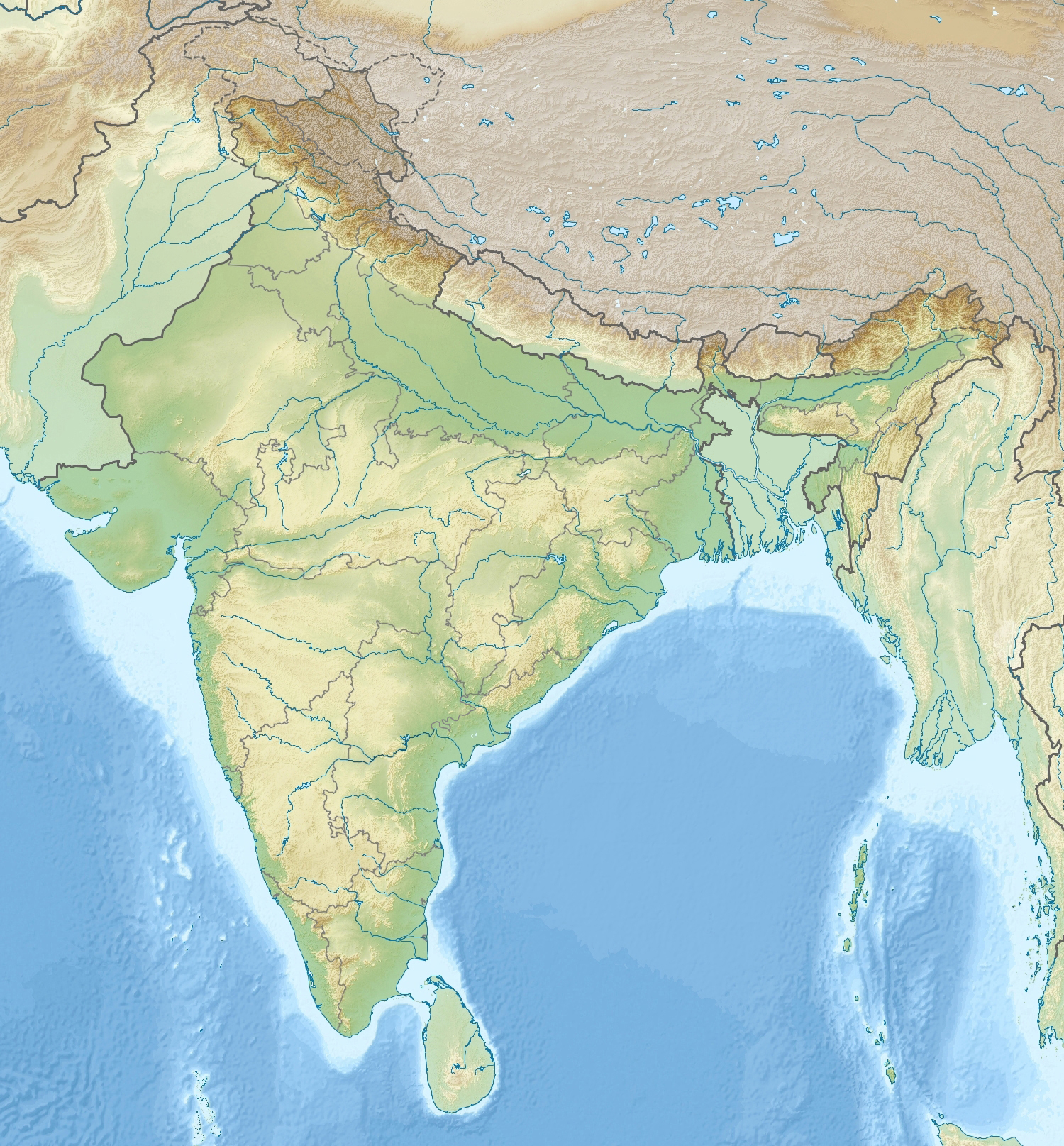
Location Map
Image Gallery